
Direct or Connecting Flight to Korea?
When the Connection Is Worth It
A connection is not automatically a bad choice, but the saving has to justify the extra time and risk.
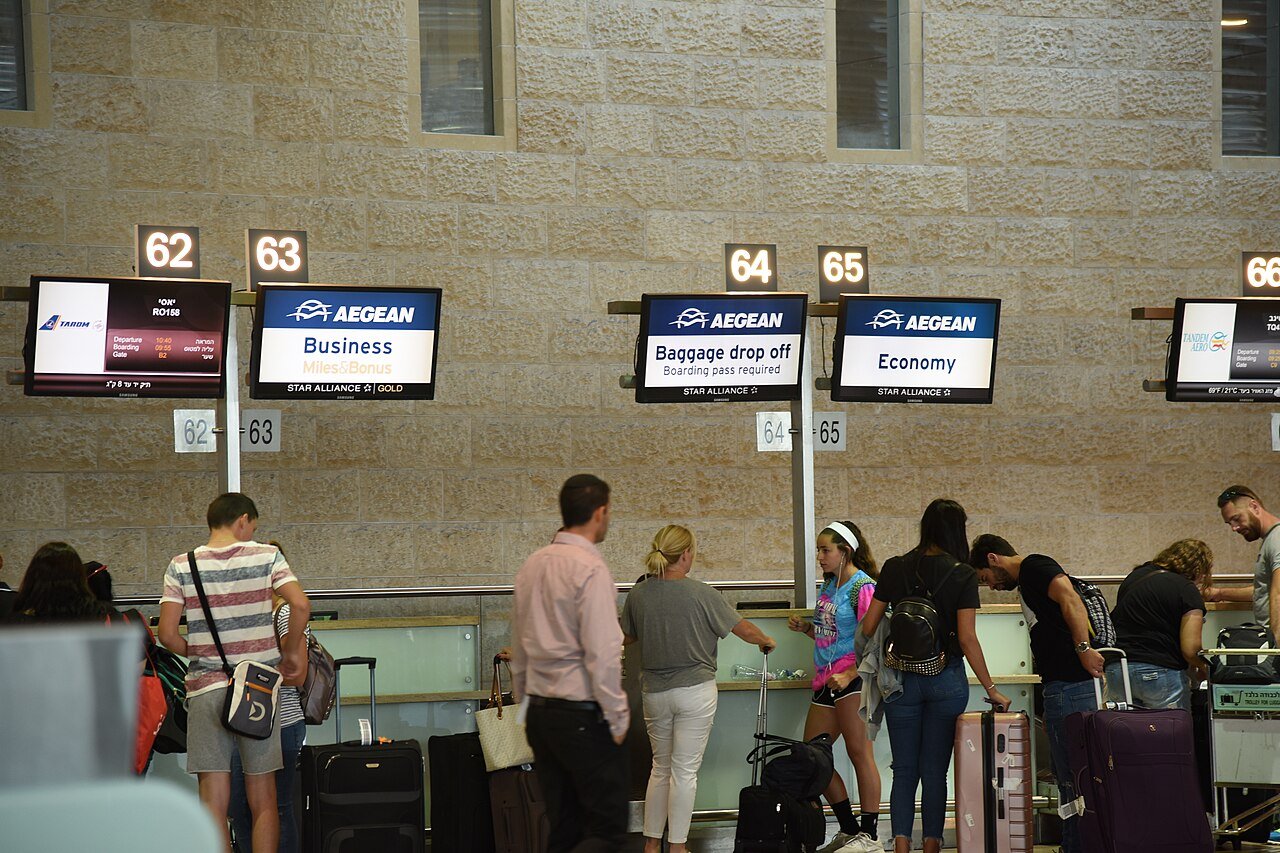
Choose the connecting itinerary only when the price or schedule advantage is meaningful after you account for total journey time, missed-connection risk and arrival time in Seoul.
When direct usually wins
Direct flights reduce fatigue, simplify baggage handling and eliminate transfer uncertainty. That can matter more on a first Korea trip where your first day already includes immigration and a city transfer.
When a connection can make sense
A connection can be worthwhile when it saves enough money, produces a better arrival time or avoids an inconvenient departure airport. Compare the complete itinerary, not just the airfare gap.
Direct vs connecting at a glance
| Factor | Direct flight | Connecting flight |
|---|---|---|
| Total journey time | Shortest | Longer, plus layover |
| Risk | Minimal | Missed-connection risk |
| Price | Usually higher | Usually lower |
Compare these five things before accepting a connection
- Total journey time: compare door-to-door travel time, not only the extra flight segment.
- Connection margin: check whether the layover gives enough time for a terminal change, security or immigration if required.
- Ticket structure: one protected ticket is very different from separate tickets or a self-transfer.
- Baggage handling: confirm whether checked bags are transferred automatically or must be collected and rechecked.
- Arrival quality: a cheaper itinerary that reaches Incheon very late can reduce the value of the first day in Korea.
Protected connection vs self-transfer
On a protected through-ticket, the airline or ticketing arrangement generally gives you more support when an earlier flight disruption causes a missed onward connection. A self-transfer is different: you may need to collect baggage, move between terminals or airports, check in again and absorb the risk if the first flight is late. That extra exposure should be treated as part of the price.
Example: a saving that may not be worth it
Suppose a connecting itinerary saves €90 but adds five hours to the journey and lands in Seoul close to midnight. If the direct flight gets you into the city in time for dinner, the difference is not just €90. You are trading money for fatigue, connection risk and usable travel time. For a short Korea trip, that exchange may be poor value.
When the connection is genuinely useful
A connection can still be the better choice when the saving is large, the layover is comfortable, the itinerary is on one ticket and the arrival time works better for your Seoul plans. It can also help travelers who live far from a major long-haul hub if the connecting option reduces the ground journey to the departure airport.
FAQ
How long should a connection to Korea be?
There is no universal number. Airport layout, terminal changes, security and ticket structure matter. Use the airline’s minimum connection guidance as a starting point, then add your own comfort margin.
Are separate tickets always a bad idea?
No, but they carry more operational risk. The fare saving should be meaningful enough to justify that risk and any extra baggage or hotel costs if plans go wrong.
What should I compare after choosing the flight?
Check your baggage allowance and then compare the transfer from Incheon to your hotel in Seoul. Those two steps can change the real value of the itinerary.
Compare the complete Europe-to-Korea route, then check baggage and your final airport transfer.
Checked Baggage Included? → · London One-Stop Decision → · Incheon Airport → Seoul →