
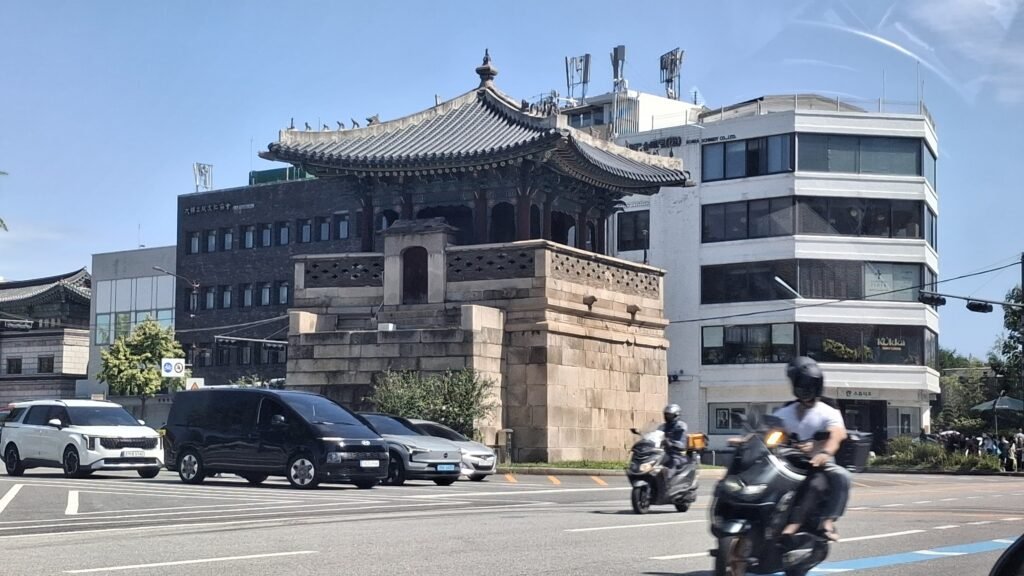
Plan Seoul by neighborhood, not by attraction count.
For a first visit, the easiest way to protect usable travel time is to group nearby areas into the same day.
A simple first-time structure
With three days, focus on central Seoul and one modern district. With four or five days, add more neighborhoods without turning every day into a cross-city commute.
Gyeongbokgung area, Bukchon or nearby traditional neighborhoods, then Insadong or Jongno.
Myeongdong, Namsan area and central shopping or food districts.
Hongdae, Yeonnam and nearby café or nightlife areas.
Gangnam, COEX area or another southern district if it matches your interests.
Use it for missed sights, shopping, a slow neighborhood day or an easy day trip rather than forcing another long transfer.
How much can you realistically fit?
| Stay | Good structure | What to avoid |
|---|---|---|
| 3 days | Historic core + central Seoul + one modern district | Too many cross-city transfers |
| 4 days | Add south Seoul or a slower neighborhood day | Treating every district as a full checklist |
| 5 days | Keep one flexible day for shopping, weather or a day trip | Filling the extra day before the trip starts |
Three rules that save time
- Group attractions by neighborhood before you choose exact times.
- Leave arrival day lighter than a normal sightseeing day.
- Use one flexible block for weather, fatigue or something you discover after arrival.
FAQ
Are 3 days enough for Seoul?
Three full days can work for a first visit if you accept that you are seeing a focused version of Seoul rather than every major district.
Is 5 days too long?
Not for most first-time visitors. Five days gives you room to slow down, revisit an area, shop, handle weather changes or add a simple day trip.
Should I change hotels during a short Seoul stay?
Usually not. For three to five days, one well-located base is often more efficient than losing time to packing, check-out and another check-in.
English Home · Korea Travel Guides · Where to Stay in Seoul · Seoul → Busan · First Trip to Korea